BĒO GESUND! - BE WELL! (West-Saxon Greeting)
Welcome to SÆXIA!
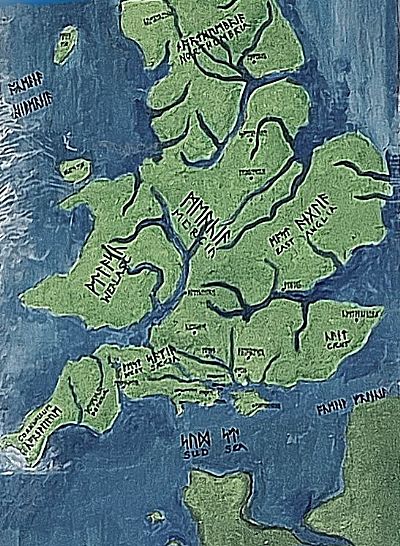
Welcome to SÆXIA — an early medieval living-history and reenactment society dedicated to exploring the story of the West Saxons and the birth of early England.
Founded in 2019, SÆXIA researches, recreates, and presents the world of Britain between the 5th and 11th centuries: a time of migration, kingdom-building, warfare, craftsmanship, faith, and cultural transformation. Our focus begins in the fading years of Roman Britain and continues through the rise of the Anglo-Saxon kingdoms, ending with the Norman conquest of 1066 and the beginning of Norman England.
Through authentic clothing, arms and armour, experimental archaeology, combat training, craftwork, and public education, we aim to bring this formative period of British history back to life in a practical and engaging way.
Why This Period Matters
The early medieval centuries shaped much of what would later become England.
During this era:
The English language began to take recognisable form.
Early English kingdoms emerged from the landscapes of post-Roman Britain.
Traditions of law, kingship, lordship, and local identity developed.
Distinctive artistic, military, and architectural styles appeared.
The foundations of the English nation were laid.
Although the England of this period would have seemed very different from the modern country we know today, many of its cultural roots can still be traced back to the Anglo-Saxon age.
For us, this is not simply “the Dark Ages,” but a vibrant and influential period of transition, adaptation, survival, and identity.
The Meaning Behind “SÆXIA”
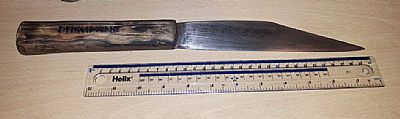
Above: a replica of a type IV Seax/Sæx typical of many British archeology finds
The name SÆXIA was inspired by the word SÆX (or Seax) — the distinctive single-edged blade closely associated with the Saxons themselves. The name also reflects historical naming traditions such as Anglia, Mercia, and Essexia, evoking the idea of a cultural homeland or sphere connected to a people.
We intentionally use the Old English letter Æ (ash), once common in early English writing and pronunciation. Although later removed from Modern English, it survives in many Old English manuscripts and place-names.
The name “SÆXIA” therefore reflects both:
a connection to the historical Saxon peoples and their material culture,
and a wider commitment to preserving and presenting early English history in an accessible and engaging way.
What We Do
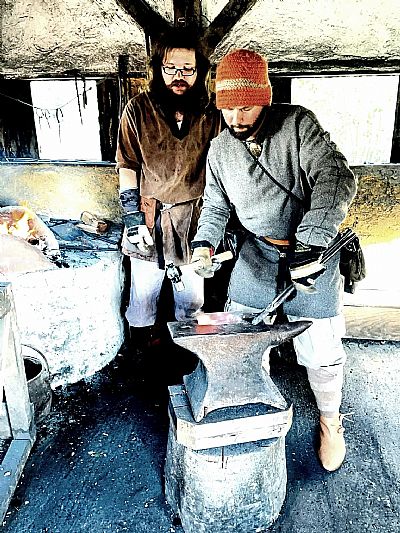
SÆXIA combines historical study with hands-on interpretation, including:
Early medieval reenactment and living history
Educational displays and public events
Historical combat and martial training
Experimental archaeology
Traditional crafts and material culture
Talks, demonstrations, and heritage interpretation
Whether at events, training sessions, schools, or historical sites, our aim is always the same:
to make early English history tangible, human, and memorable.